
Recommendations
Handpicked spots and experiences to discover the true essence of Barcelona.
Best Month to Visit Barcelona
If you consider temperatures, April–May and September–October are often the best months to visit Barcelona. The weather is pleasantly warm, without the intense summer heat, and it’s a great time for sightseeing and exploring the city. However, Barcelona has something special to offer every month of the year, from cultural festivals to local traditions and vibrant neighborhood celebrations.
While spring and autumn may offer the most comfortable temperatures, choosing to visit Barcelona during Sant Jordi in April, the Festes Majors in August, or La Mercè in September will allow you to experience the city’s most cherished traditions and celebrations.
Spring (April–June)
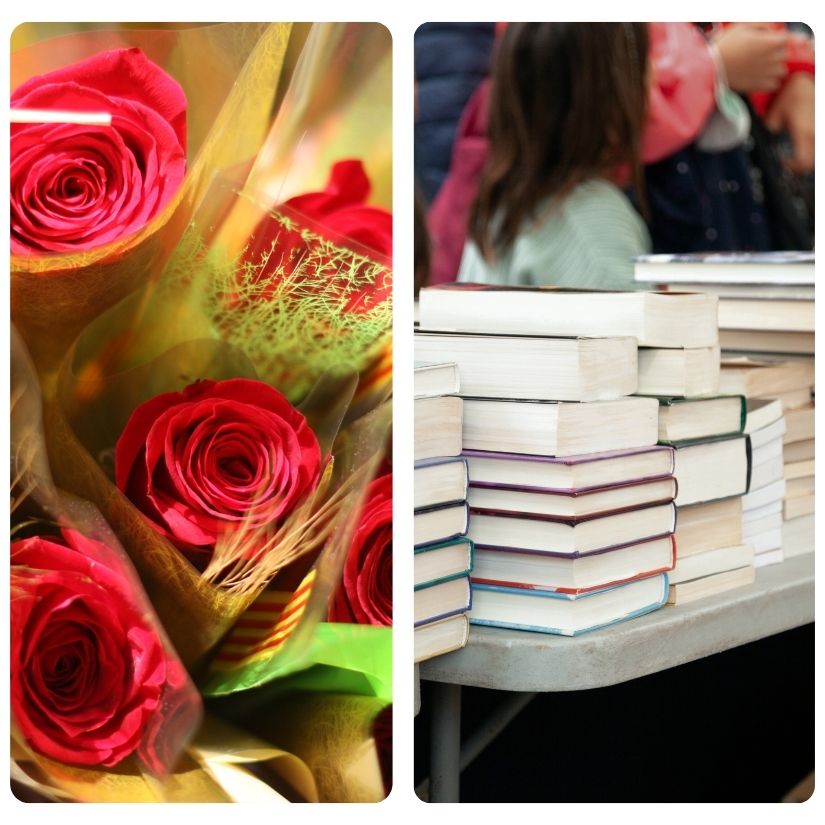
Warm, sunny days make it perfect for strolling along Las Ramblas, exploring Park Güell, and enjoying outdoor dining. One of the most beloved moments for locals takes place on April 23rd, with Sant Jordi, the Day of Books and Roses. On this day, the streets of Barcelona are filled with flower stalls and bookstands, as locals exchange roses and books with their loved ones—a tradition that beautifully combines romance and culture.
Summer (July–August)
This is peak tourist season, with hot weather (up to 35°C), lively beaches, and packed attractions. Yet summer also brings unforgettable local celebrations. In August, neighborhoods host their famous festes majors (local festivals). The Festa Major de Gràcia (August 15th–21st) is the most famous, where streets are decorated with dazzling artistic themes and residents compete to create the most spectacular displays. Around the same time, the Festa Major de Sants (late August, usually around August 20th–28th) fills the neighborhood with music, dancing, traditional activities, and a festive community spirit.
Autumn (September–October)
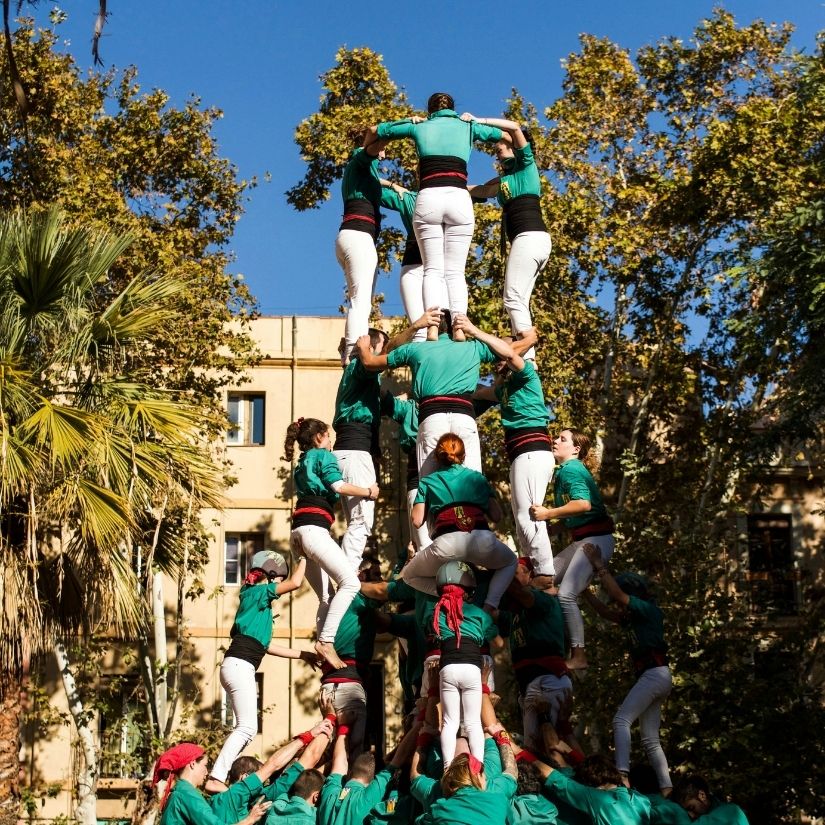
September is a fantastic month for both weather and festivities. The highlight is La Mercè (September 24th), Barcelona’s biggest festival in honor of its patron saint. For several days, the city becomes a stage for castellers (human towers), correfocs (fire runs), gegants (giant figures), street parades, and countless free concerts. October offers cooler days, ideal for visiting museums, Gaudí’s monuments, and taking leisurely walks through the Gothic Quarter.
Winter (November–February)
Barcelona enjoys milder winters than most of Europe. It’s the perfect season to explore Sagrada Familia, museums, and cozy tapas bars without the crowds. December brings Christmas markets, festive lights, and a magical atmosphere throughout the city.
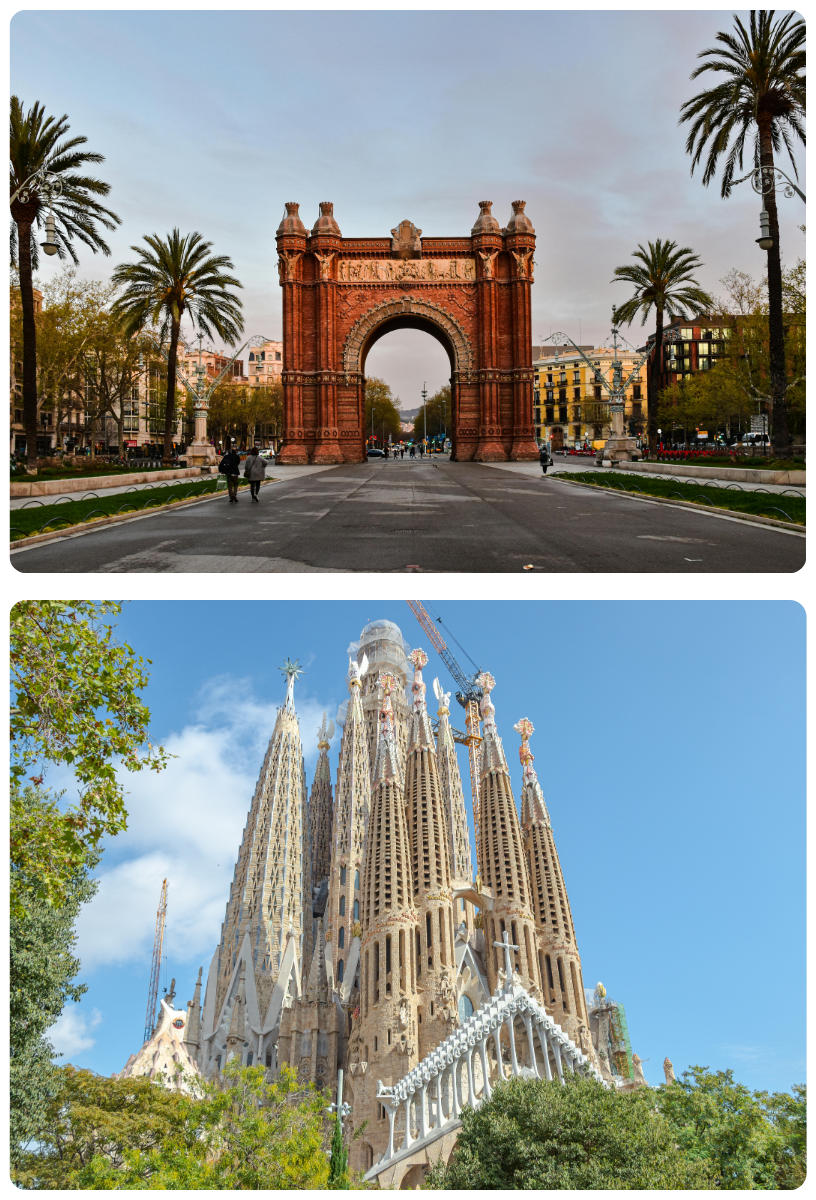
Languages “spoken” in Catalonia: Catalan, Spanish and English
Barcelona is part of Catalonia, a region with a strong cultural identity. Two official languages are spoken here (Catalan and Spanish) and locals born and raised in Barcelona are 100% bilingual.
- Catalan: Widely spoken by locals, especially in schools, universities, and government institutions. Street signs and metro announcements are usually in Catalan. Catalan is the original language of Catalonia.
- Spanish (Castellano): Universally understood and used in everyday life. Tourists can comfortably communicate in Spanish across Barcelona.
- English: While not an official language, English is common in hotels, restaurants, tourist attractions, and among younger generations.
Visitors will have no problem communicating in Barcelona, but learning a few Catalan phrases like “Bon dia” (Good morning) or “Gràcies” or “Merci” (Thank you) is a great way to connect with locals.
Barcelona Weather & Festivals by Month
Barcelona is a city full of life all year round. Each month offers something different: cultural festivals, world-class music events, cozy winter traditions, or lively neighborhood celebrations. Whenever you come, there will be something memorable to experience.
| Month | Avg. Temp. | Major Events & Traditions. |
| January | 10°C / 50°F | Three Kings Parade (Jan 5), Winter Sales begin |
| February | 11°C / 52°F | Santa Eulàlia Festival (Feb 12), Carnival, Calçotada season (a traditional Catalan barbecue with green onions) |
| March | 13°C / 55°F | Start of spring, Sant Medir Festival (candy-filled parades) |
| April | 15°C / 59°F | Sant Jordi (Apr 23), the Day of Books and Roses; Easter celebrations |
| May | 18°C / 64°F | Primavera Sound Festival (late May/early June), outdoor dining season |
| June | 22°C / 72°F | Sant Joan (Jun 23) with fireworks on the beach, start of summer sales, Sónar Festival (electronic music) |
| July | 25°C / 77°F | Cruïlla Festival, Grec Festival (theatre & concerts) |
| August | 27°C / 81°F | Festa Major de Gràcia (Aug 15–21) with decorated streets, Festa Major de Sants (late Aug) |
| September | 24°C / 75°F | La Mercè (Sep 24), Barcelona’s biggest festival; Catalonia National Day (Sep 11) |
| October | 20°C / 68°F | Día de la Hispanidad (Oct 12), Barcelona Jazz Festival |
| November | 15°C / 59°F | All Saints’ Day (Nov 1), mushroom season in Catalonia |
| December | 12°C / 54°F | Constitution Day (Dec 6), Christmas markets & lights, New Year’s Eve celebrations |
Top 3 Unmissable Events in Barcelona
If your travel dates are flexible, try to experience at least one of these incredible cultural events:
- Sant Jordi – April 23 : Barcelona’s most beloved day. Streets fill with bookstands and flower stalls, as people exchange roses and books with loved ones. It feels like a mix of Valentine’s Day and a book festival, unique to Catalonia.
- La Mercè – September 24: The city’s biggest celebration in honor of Barcelona’s patron saint. Expect human towers (castellers), parades with giant figures (gegants), fire-runs called correfocs, and free concerts across the city. A spectacular, once-in-a-lifetime experience.
- Festa Major de Gràcia – August 15–21: One of the most colorful neighborhood festivals in Europe. Streets are decorated with elaborate handmade displays, turning each block into an open-air art exhibit, with music, dancing, and local food.
Together, these three events showcase the heart of Barcelona: tradition, creativity, and community spirit. If you can align your trip with one of them, your visit will be truly unforgettable.
Security in Barcelona: Pickpockets & Safety
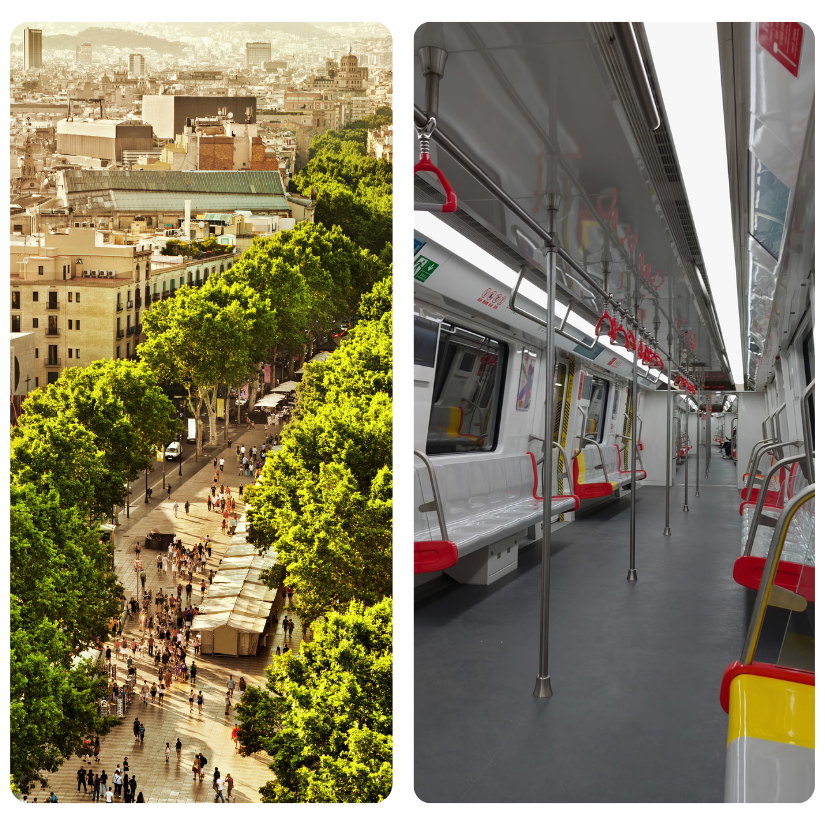
Barcelona is one of Europe’s safest tourist destinations, but it is also known for pickpockets. Petty theft is the most common problem, especially in busy areas like:
- Las Ramblas
- Metro stations (specially if you are close to the doors when opening and closing)
- Sagrada Familia and Park Güell entrances
- Beaches during summer
- Airport (in the last months there have been registered also some pickpockets)
Safety Tips in Barcelona
- Keep your bag zipped and in front of you.
- Use a money belt or crossbody bag.
- Avoid putting your phone or wallet in your back pocket.
- Stay alert in crowds and when boarding public transport.
Violent crime is rare, and Barcelona is considered very safe for solo travelers, families, and groups. With some basic precautions, you can enjoy the city without worries.
Local Festivities in Barcelona: La Mercè, Santa Eulàlia & 11 de Setembre
Barcelona is a city of celebrations. Throughout the year, locals and visitors come together to enjoy unique cultural festivals.
- La Mercè (24 September): Barcelona’s biggest annual festival, honoring the patron saint Our Lady of Mercy. Expect live music, fireworks, parades, traditional dances, and the iconic Castellers (human towers).
- Santa Eulàlia (12 February): A winter festival dedicated to the city’s co-patron saint. The celebration includes children’s parades, street performances, and colorful light shows.
- 11 de Setembre (La Diada): Catalonia’s National Day, marked by cultural events, historical commemorations, and demonstrations across the city.
Attending one of these festivities is the best way to immerse yourself in Catalan culture.
Best Time to Visit Sagrada Familia’s Lights
The Sagrada Familia is Barcelona’s most iconic landmark, and its interior is a masterpiece of light and color. The way the sun filters through Gaudí’s stained-glass windows changes throughout the day, creating breathtaking effects that are worth planning your visit around.
- Morning (9:00 am – 11:00 am): As the sun rises in the east, the light pours through the east-facing stained-glass windows, filling the basilica with cool blue and green tones. This creates a calm, almost meditative atmosphere, perfect for those who prefer a quieter experience.
- Late Afternoon (varies by season): The afternoon is when the basilica glows with warm reds, oranges, and yellows through the west-facing windows. In summer, this magical effect is best seen between 5:00 pm and 7:00 pm, as the basilica stays open until 8:00 pm. In winter, however, the sun sets earlier and the basilica closes at 6:00 pm, so the most dramatic light comes earlier, usually between 3:30 pm and 5:00 pm.
Since the Sagrada Familia is one of Europe’s most visited monuments, tickets often sell out days or even weeks in advance. Booking online ensures you get the perfect time slot to experience the basilica in the light you prefer.
Whether bathed in the cool morning glow or the golden afternoon radiance, visiting at the right time of day allows you to witness Gaudí’s vision exactly as he intended—alive with light, color, and spiritual beauty.
| Season | Opening Hours | Best Morning Light | Best Afternoon Light | Closing Time |
| Winter (Nov–Feb) | 9:00 am – 6:00 pm | 9:00 am – 11:00 am | 3:00 pm – 5:00 pm | 6:00 pm |
| Spring (Mar–Jun) | 9:00 am – 8:00 pm | 9:00 am – 11:00 am | 4:30 pm – 6:30 pm | 8:00 pm |
| Summer (Jul–Sep) | 9:00 am – 8:00 pm | 9:00 am – 11:00 am | 5:00 pm – 7:00 pm | 8:00 pm |
| Autumn (Oct) | 9:00 am – 7:00 pm | 9:00 am – 11:00 am | 4:00 pm – 6:00 pm | 7:00 pm |
Siesta Time in Barcelona
Barcelona’s siesta culture is not common any more due to the frenetic life of a cosmopolitan city and the rhythm of modern life. On the other hand, while the city doesn’t shut down completely, some smaller shops and family-run businesses close between 2 pm and 5 pm.
- Large stores, restaurants, and tourist attractions remain open all day.
- In local neighborhoods, you might notice shutters down during siesta hours.
- Dinner in Barcelona is typically eaten late, around 9 pm to 10 pm.
For tourists, siesta time is a great moment to relax at a café, enjoy a long lunch, or take a break at the beach before heading out again.
Siesta is still practised though by little kids every day at school, sometimes after heavy meals during weekends or by locals who stay at home after lunch and have some time.
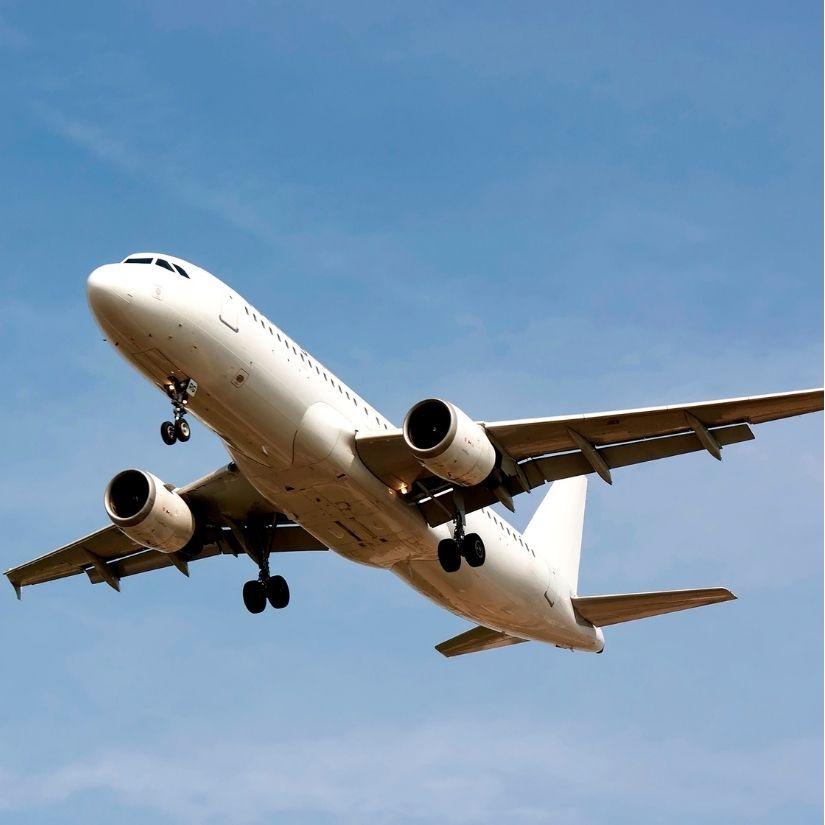
Transportation from Barcelona Airport (El Prat)
Barcelona-El Prat Airport (BCN) is located about 15 km from the city center, and there are several convenient options to reach your hotel or apartment:
- Aerobus Shuttle: Direct bus to Plaça Catalunya in about 30 minutes. Runs every 5–10 minutes.
- Train (R2 Nord): Connects the airport with Sants Station and central Barcelona.
- Metro (L9 Sud): A slower but budget-friendly way to connect with the city’s metro network.
- Taxi: Comfortable and fast (30–35 minutes), with regulated fares around €30–35.
- Private Transfer: Ideal for groups or those with heavy luggage.
Each option depends on your budget and luggage, but all are safe and tourist-friendly.
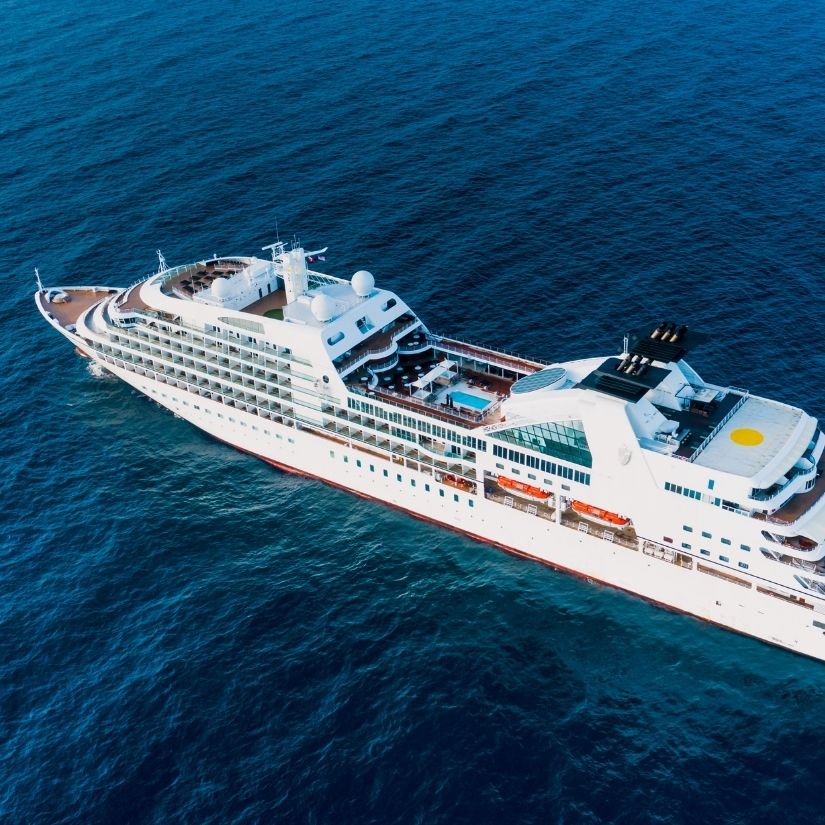
Transportation from Barcelona Harbour (Cruise Port)
The Port of Barcelona is one of the busiest cruise terminals in Europe, located close to the city center. Here’s how to get downtown:
- Port Shuttle Bus (Blue Bus): Connects the cruise terminal to Plaça de Colom, at the bottom of Las Ramblas. Quick and affordable.
- Taxi: Fast and convenient, especially with luggage. Expect a 10–15 minute ride to the city center.
- Walking: Some terminals are within walking distance, though others are farther away, so the shuttle is often more practical.
- Private Transfers & Tours: Many companies offer direct transfers or guided city tours starting from the port.
Reaching central Barcelona from the harbour is quick and easy, making it simple to start exploring the city right after your cruise.
Ready to explore Barcelona your way?
Tell us your interests and we’ll create a private tour just for you.